
Case —
Scale coaching
without scaling chaos.
The platform needed to grow classes and revenue without outages eating margin. I rebuilt core backend, frontend, and cloud so operations stayed dependable and product changes shipped with confidence.
The client
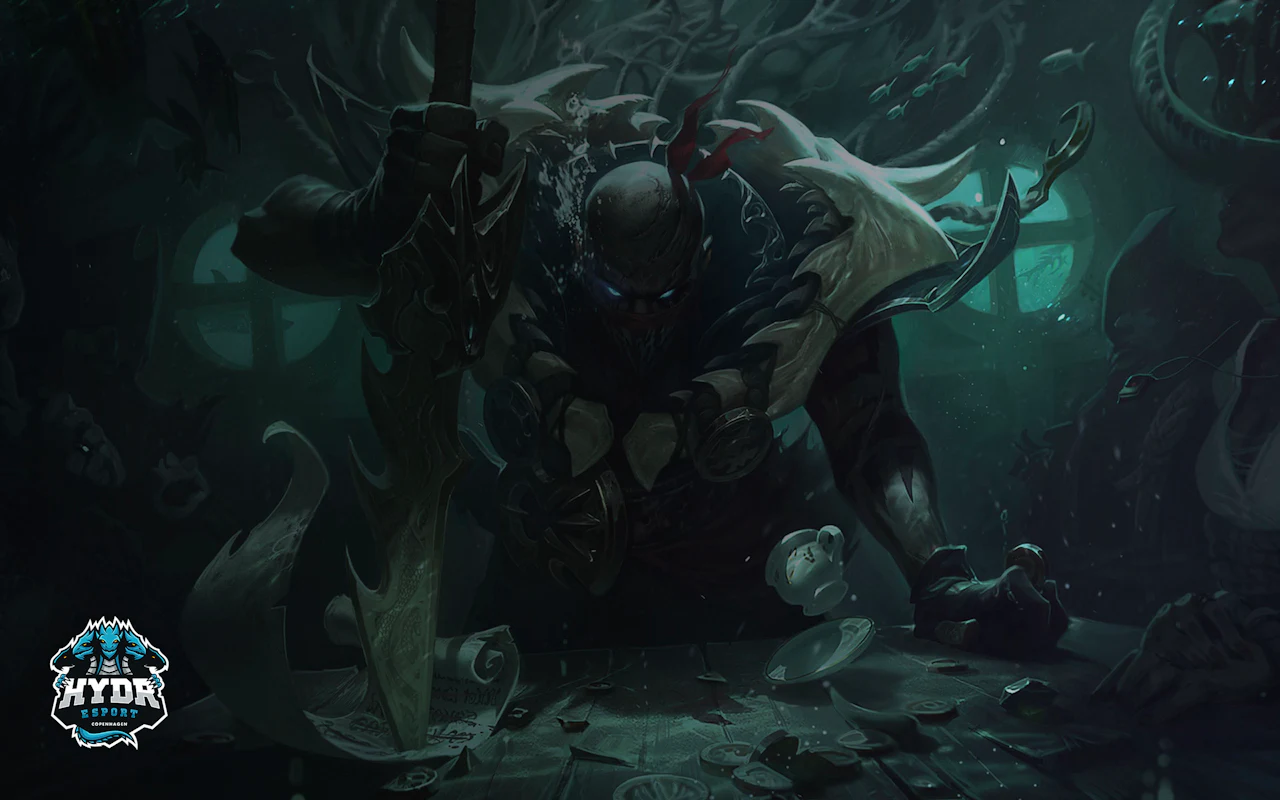
A Danish e-sport coaching company connected players with in-house coaches across titles like Overwatch, League of Legends, Counter-Strike, Valorant, and Fortnite. Players signed up for teams matched to their skill level; coaches ran sessions while the business handled subscriptions, scheduling, and payments through the product.
The problem
I joined to maintain an existing software suite-a backend, a standalone frontend application, and a WordPress marketing site. The first months were maintenance and incremental features in that stack, but it became clear the architecture would not carry the next phase of growth.
In mid-2020 we agreed on a full rebuild: a single product that could onboard more players, keep day-to-day operations reliable, and give the team room to ship without firefighting. I led the build in collaboration with designer Nicolai Qvindbjerg, who shaped the UX across onboarding, subscriptions, and the customer dashboard.
Atmosphere —
A universe
of gaming.




What I did
Infrastructure
I moved the platform to AWS in a multi-AZ VPC-separate instances per environment, created from snapshots for easy teardown and recreation. The database runs on RDS for point-in-time restores and automatic failover. Uploads go to S3 and are served through CloudFront; async work runs through SQS. Git hooks drive CI/CD for automatic deployments, and with queues and persistent data off the app host, the application layer stays stateless.
Backend
The backend is Laravel on PHP 7.4-a practical choice for session-based auth, payment flows, job queues, and a content layer without building everything from scratch.
It hosts the core business logic: a client-facing REST API, a private marketing API, payment integration, asynchronous job processing, and internal tooling for the team.
Frontend
The customer-facing app is Nuxt.js-server-rendered Vue with sensible defaults so we could focus on product rather than boilerplate configuration.
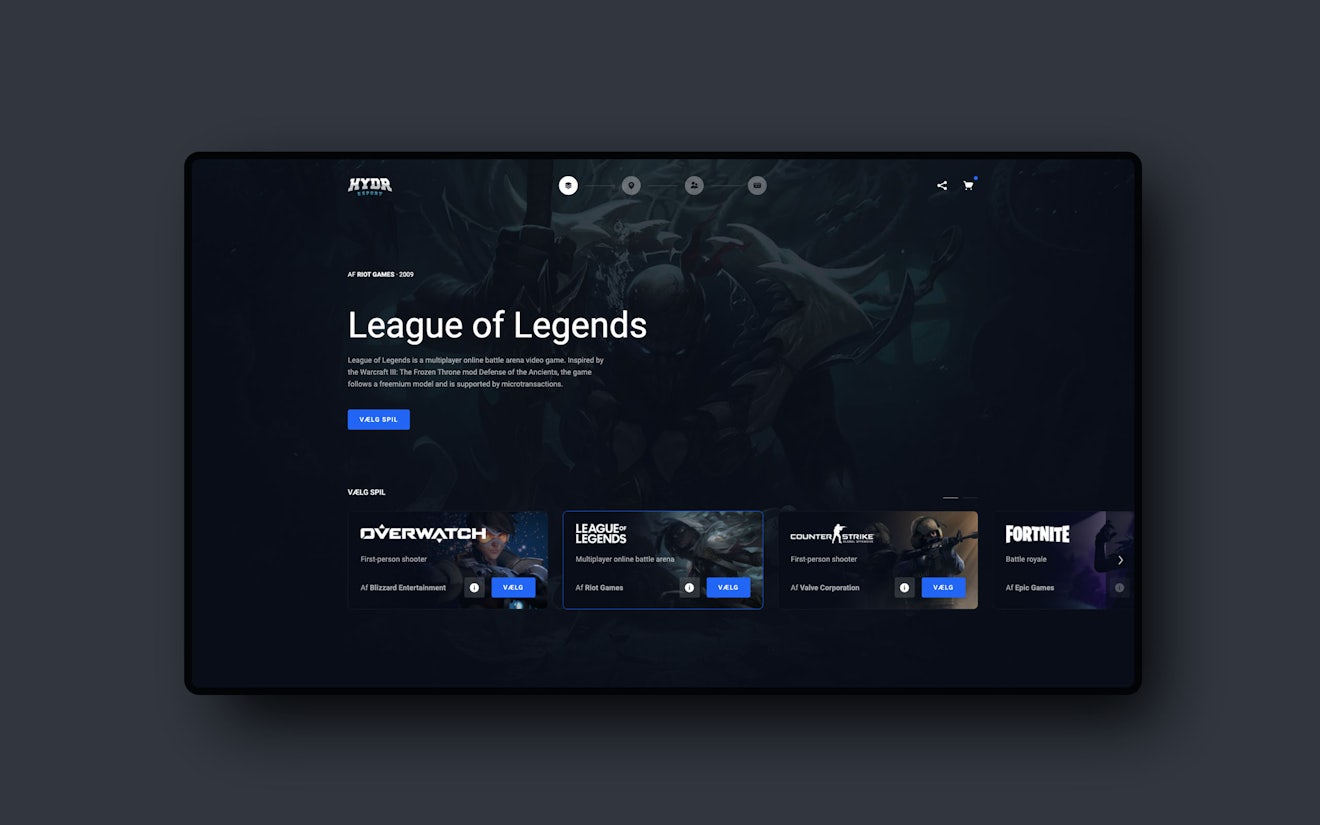
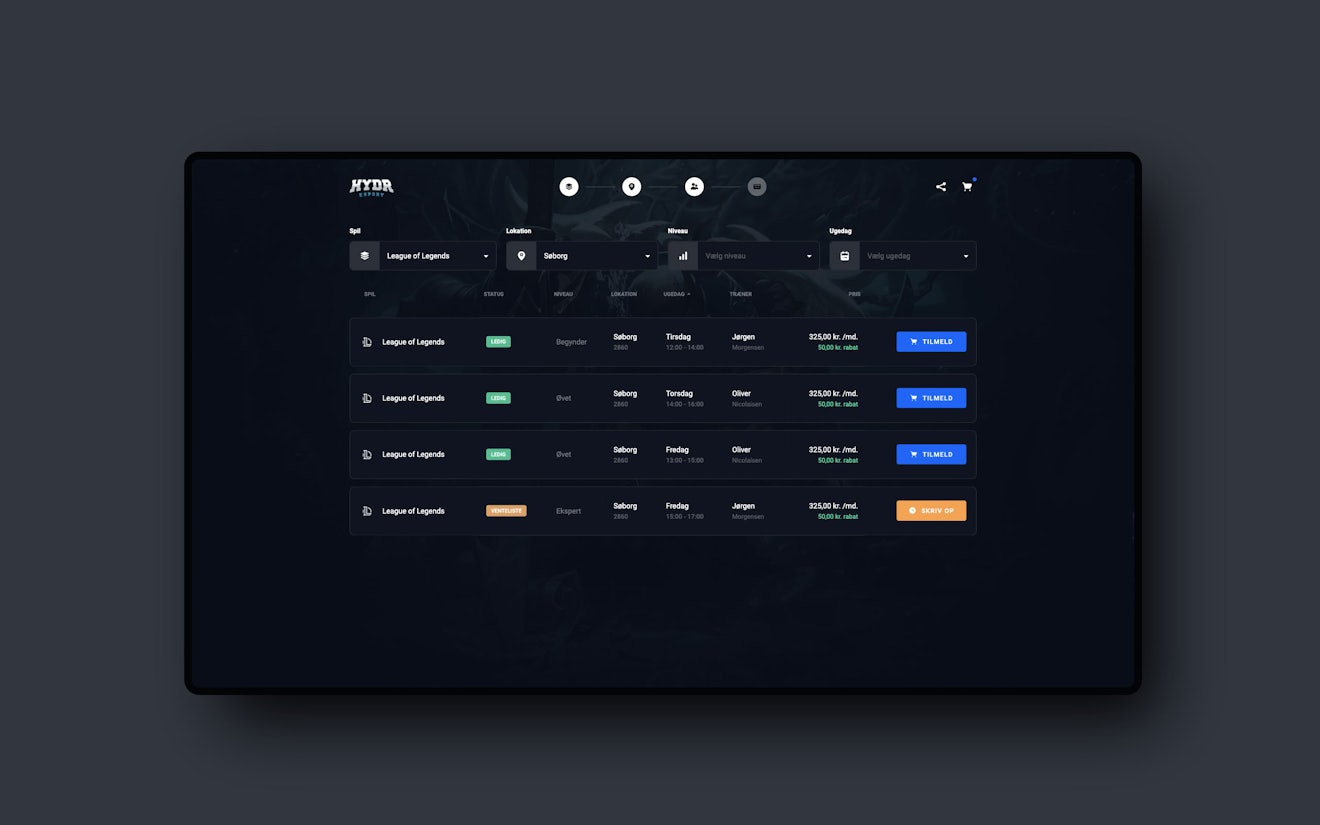
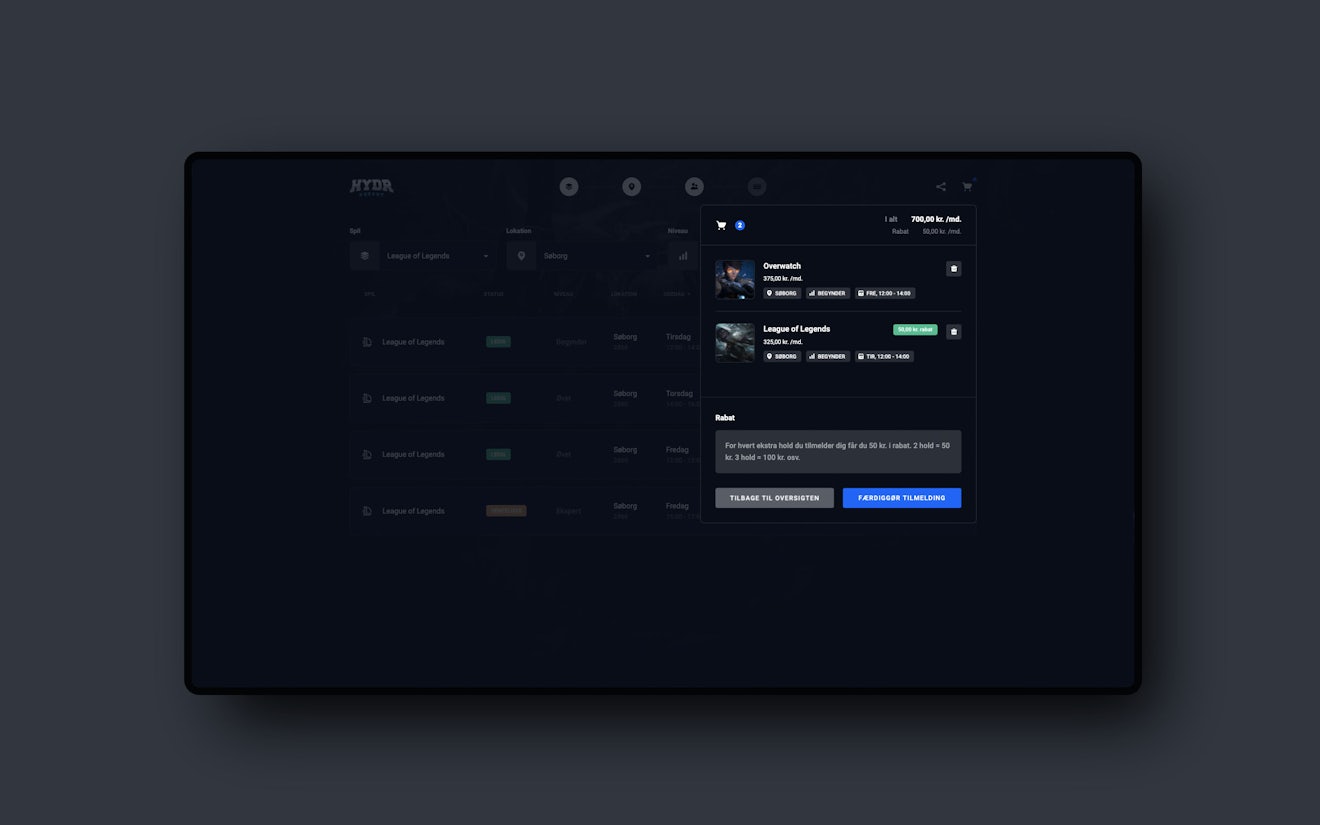
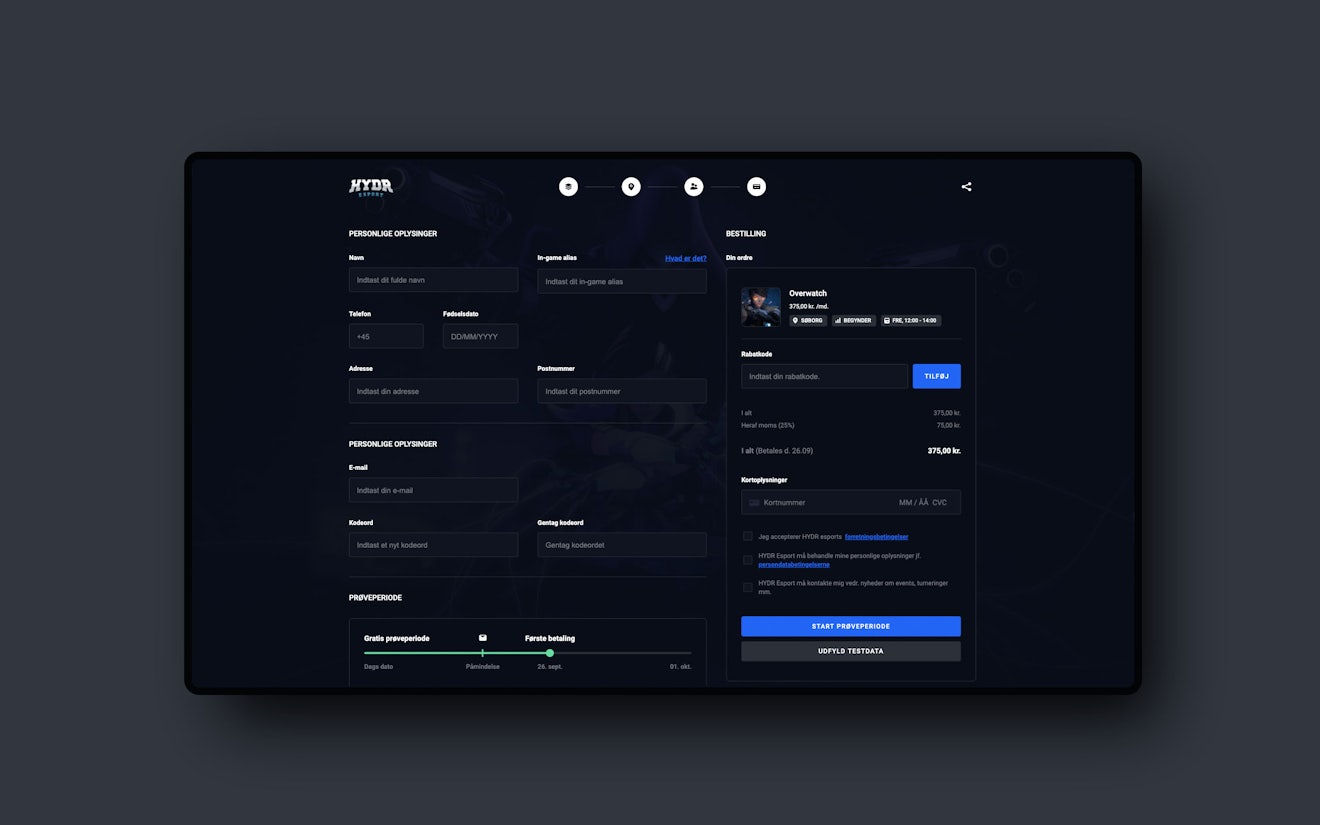
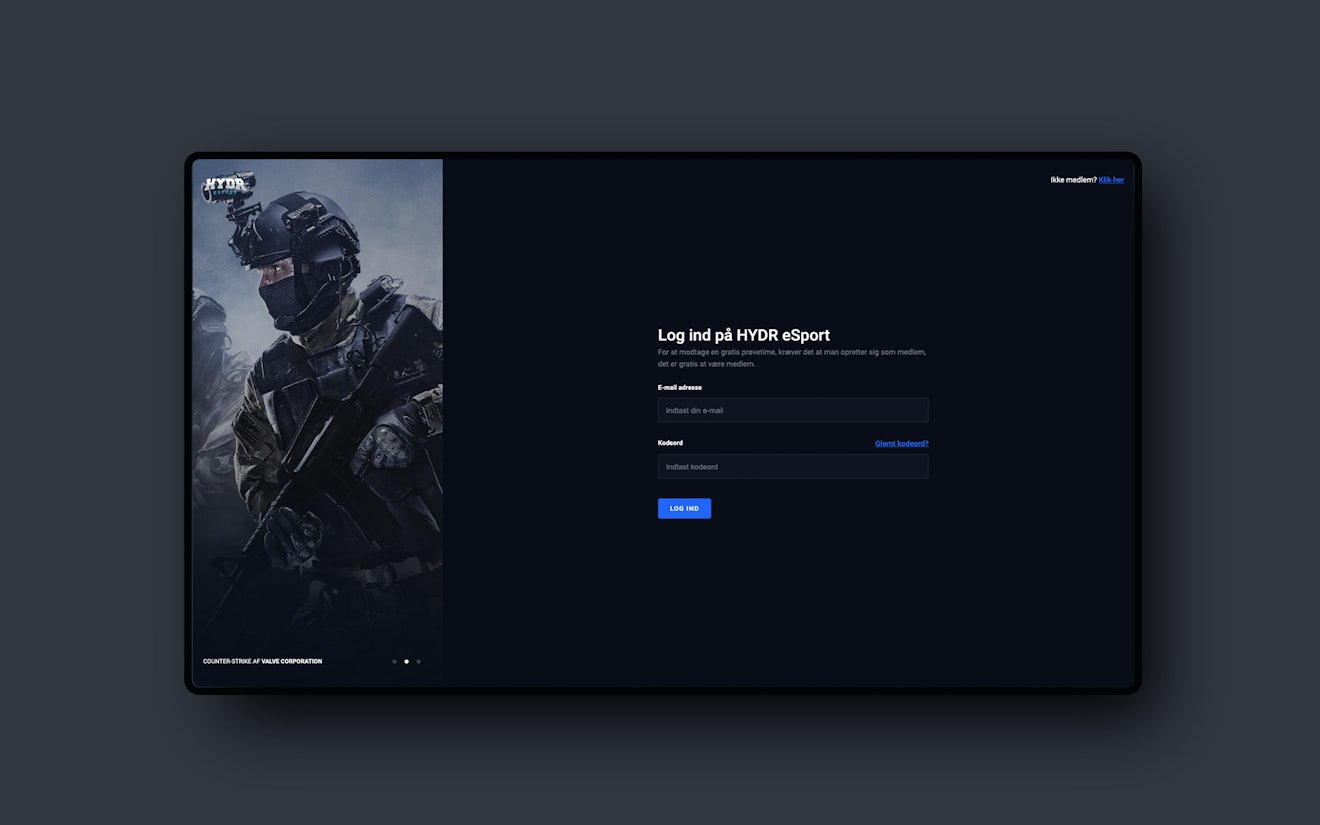
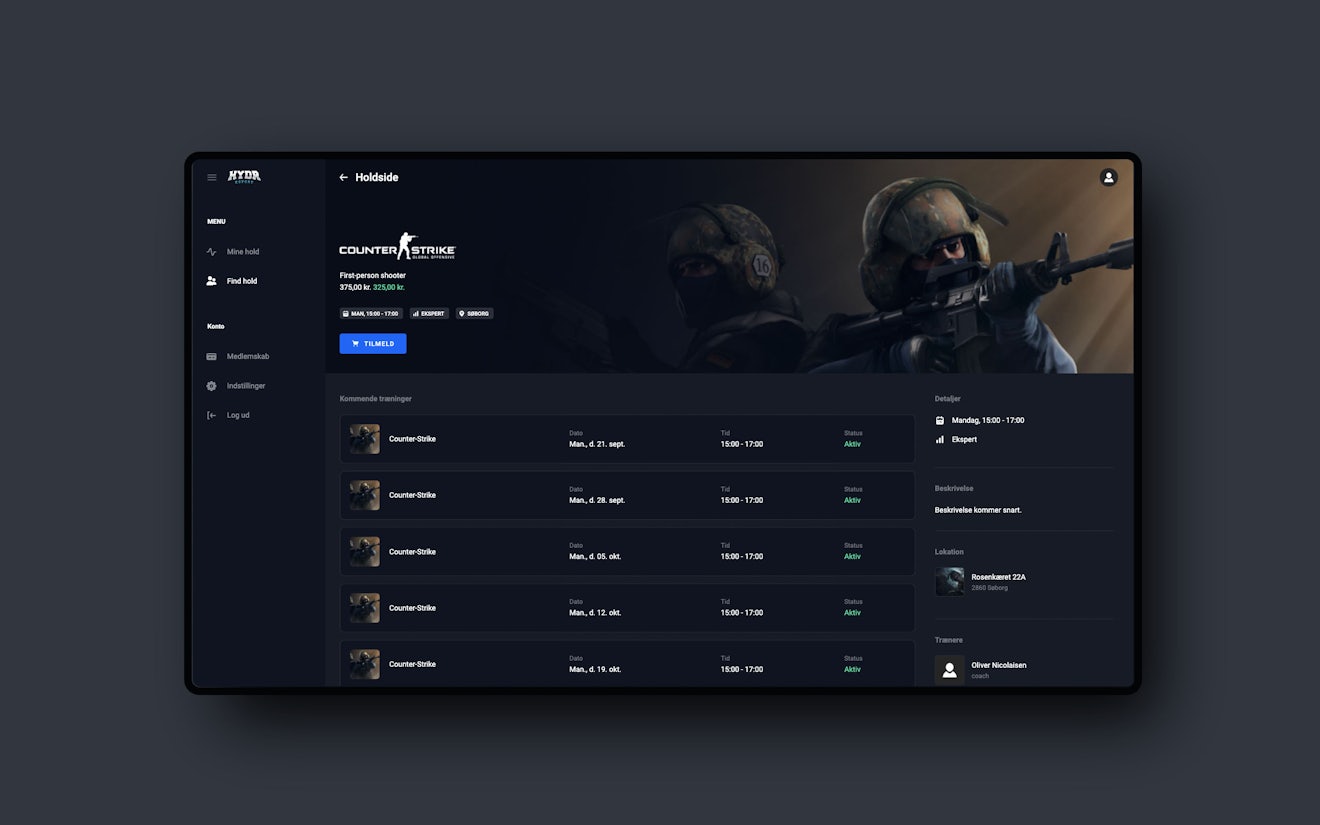
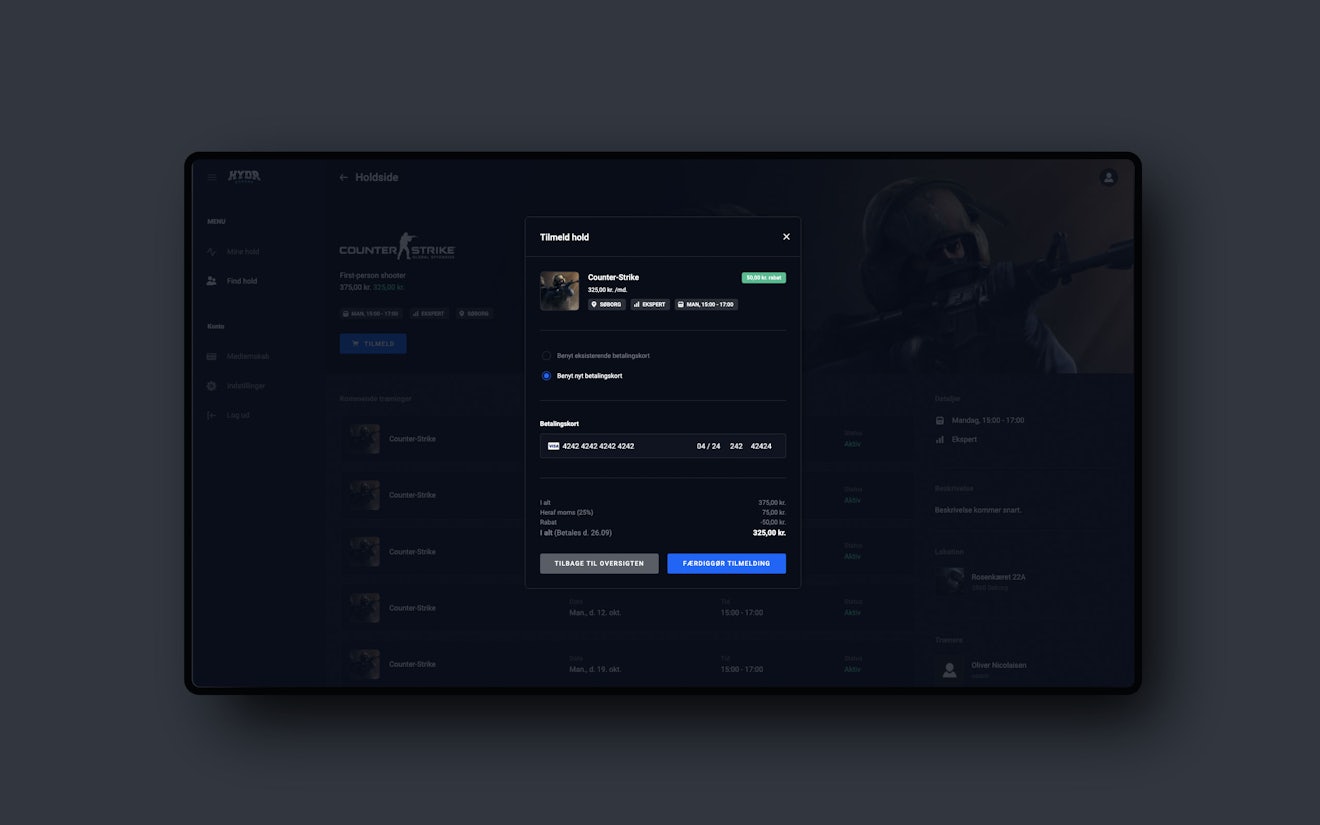
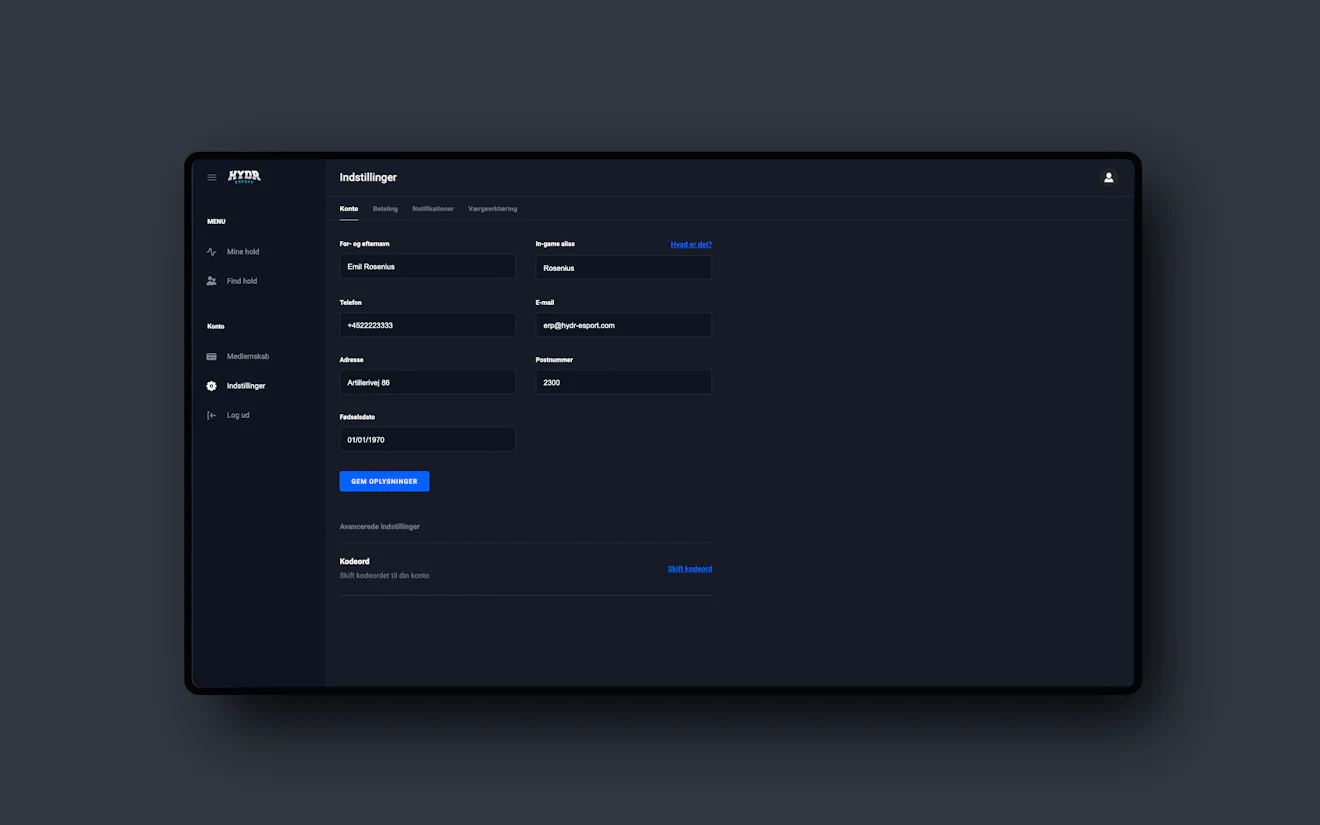
Three domains make up the experience: an onboarding flow that guides new players toward the right team, a subscription and training dashboard for customers, and an authentication layer that ties them together.
Onboarding —
An engaging
experience.
Customer dashboard —
Managing your
subscription.
Results
The rebuild replaced a fragmented three-part stack with one product the team could operate and extend. Bookings, subscriptions, and coach workflows ran through a single backend instead of patching gaps between separate systems.
Stateless app hosts, managed database failover, and automated deployments meant outages stopped being a regular operational tax. Product changes could ship on a predictable cadence rather than waiting for fragile manual steps.
The onboarding flow turned sign-up into a guided path-game, team, cart, checkout-so new players reached a booked session without getting lost in the product.
Related cases —
Check out
other cases.

- Long-term contract
A shared Vue framework and a large back office
I built Nyx's reusable Vue component framework and led the frontend for their largest back-office application. The platform serves more than 250,000 users.
- Campaign site
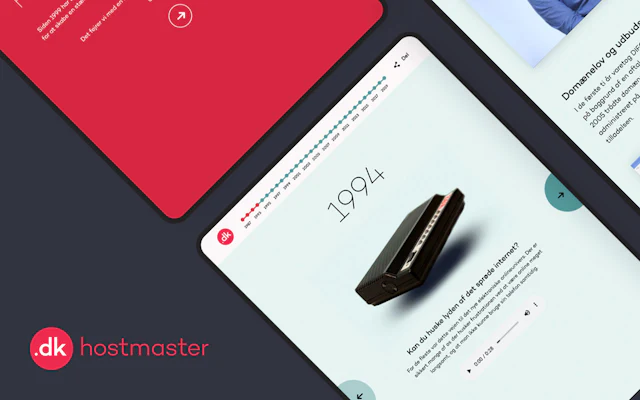
DK Hostmaster's 20-year story-for the public and the press.
Static Nuxt front end with year-by-year storytelling and predictable hosting. Content lives in the repo so the team could update and hand it off without a CMS.
- Marketing site
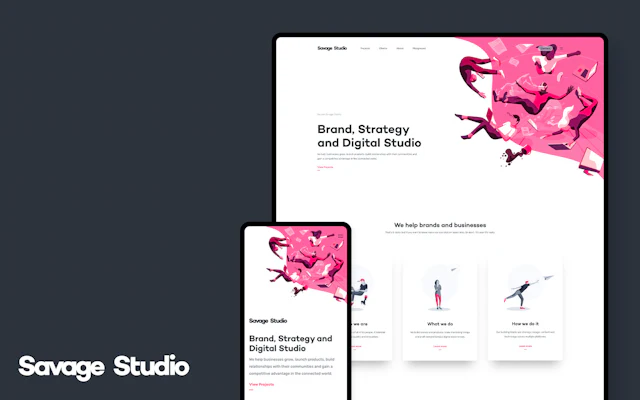
A marketing site the studio could publish from WordPress-and visitors would feel in the browser.
Scoped project for a design-led agency: mockups translated to a Nuxt front end, with WordPress headless so the team could ship cases and campaigns without learning a new CMS.

- Enterprise application
Policy and billing in one staff platform for a Danish insurance mutual.
Long-term contract on Slim PHP services and a Nuxt 2 staff app-memberships, tariffs, invoicing, settlement, and reporting, replacing legacy back-office tooling the team could no longer extend safely.
Looking for
the right developer?
Whether you're ready to start or just exploring your options, feel free to reach out. No commitment, no pressure.
I usually respond within 2 hours.